Contractor Pollution Liability for Polyurea Applicators
By Josh Cotner
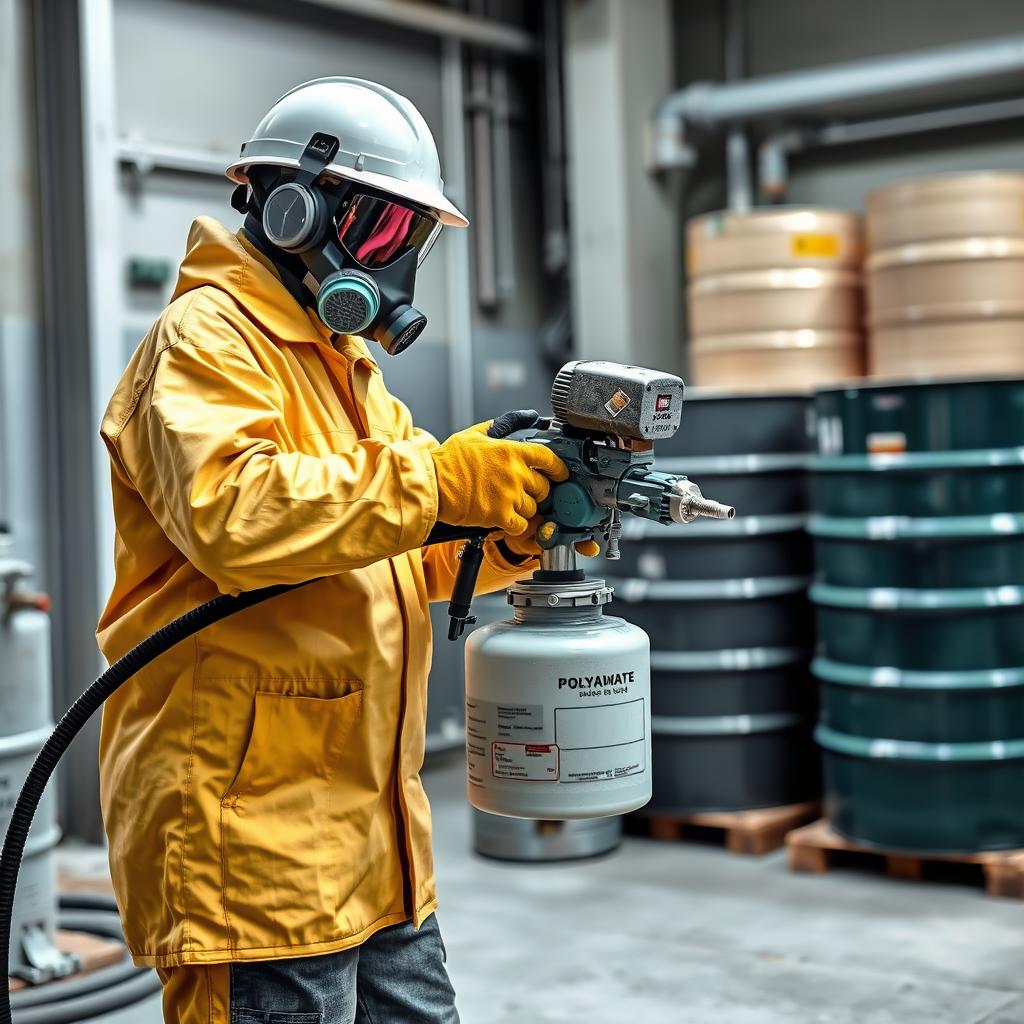
Polyurea and polyurethane coatings are remarkable materials. They cure fast, bond to almost anything, and deliver durability that most other coating systems can't match. They're also made with isocyanates — one of the most common causes of occupational asthma in the world, and a chemical that most general liability policies classify as a pollutant.
That classification has significant insurance consequences for every coating contractor who hasn't addressed it.
What Is Contractor Pollution Liability?
Contractor Pollution Liability (CPL) is a separate insurance policy designed to cover the environmental and chemical exposure claims that general liability policies exclude through their pollution exclusions.
Where GL covers the day-to-day risks of running a contracting business — slip and fall, property damage from dropped tools, general premises liability — CPL covers the chemical dimension: fume exposure, chemical release, contamination events, and the bodily injury and property damage claims that follow from them.
For polyurea applicators, CPL is the policy that covers what GL refuses to.
The Isocyanate Exposure Problem
MDI (methylene diphenyl diisocyanate) is the reactive component in the B-side of most polyurea systems. During spray application, isocyanate vapor is released — particularly if heating systems aren't properly calibrated, application ratios are off, or ventilation is inadequate.
Isocyanate exposure causes sensitization in some workers and building occupants. Once sensitized, a person can have severe respiratory reactions to even trace exposures. The Occupational Safety and Health Administration lists isocyanates as one of the leading causes of occupational asthma.
When a sensitization or respiratory illness claim involves isocyanate exposure, the GL pollution exclusion almost certainly applies. Without CPL, that claim is uncovered.
VOC Claims and Property Damage
Beyond isocyanates, polyurea and polyurethane coatings contain volatile organic compounds that can affect air quality, damage sensitive materials, or contaminate surfaces and substrates. A VOC-related property damage claim — coated surfaces in an adjacent space being affected by vapor contamination, for example — falls under the same pollution exclusion framework.
CPL covers these property damage claims as well as bodily injury claims, and it covers cleanup costs when chemical material needs to be removed from a substrate or surrounding environment.
What CPL Covers for Coating Contractors
A well-structured CPL policy for a polyurea applicator typically covers:
Third-party bodily injury. If a building occupant, bystander, or neighboring worker suffers respiratory illness or other injury from isocyanate vapor or VOC exposure during or after your application, CPL covers the medical costs, lost wages, and legal defense.
Third-party property damage. If chemical release or vapor contamination damages a neighboring property, sensitive equipment, or a material incompatible with coating chemicals, CPL covers the property damage claim.
Cleanup and remediation costs. If coating material spills onto a substrate or surface requiring specialized cleanup, CPL covers the remediation costs — not your general liability policy, which excludes pollution cleanup.
Defense costs. CPL includes legal defense even when a claim is ultimately found to be groundless, which matters when a plaintiff attorney files a chemical exposure lawsuit regardless of actual causation.
On-site and off-site claims. CPL covers events that occur both on your active job site and off-site — for example, a chemical release from your storage yard or shop.
Claims-Made vs. Occurrence
Most CPL policies are written on a claims-made basis, which means coverage applies when the claim is made (reported to the insurer) rather than when the event occurred. This matters for polyurea contractors because sensitization and exposure claims may not surface until months or years after application.
A claims-made policy requires you to maintain continuous coverage and report claims promptly. When switching CPL carriers, a retroactive date and tail coverage may be important to ensure historical exposure events remain covered.
How CPL Coordinates with GL
CPL and GL are complementary, not competing. Your GL covers the non-chemical exposures of your operation — a customer trips on a power cord, a crew member damages a client's door panel, property damage from a non-chemical incident. Your CPL covers the chemical and environmental exposure dimension.
Together, the two policies provide complete coverage for the liability exposures of a polyurea coating operation. Separately, each has gaps the other fills.
When we structure programs for polyurea contractors, we coordinate GL and CPL so that the definitions, exclusions, and limits work together — rather than creating a gap between the two policies where claims fall through.
Limits and Pricing
CPL is typically available in per-occurrence and aggregate limits from $500,000 to $5 million. Most polyurea contractors carry $1M/$2M or $2M/$4M limits. The right limit depends on the scale of your projects and the chemical exposure profile of your work — interior enclosed-space applications carry more CPL exposure than outdoor industrial applications.
Pricing varies by annual revenue, coating types, job types (interior vs. exterior, industrial vs. commercial), and loss history. Contractors with clean loss records in established specialty markets typically find CPL more affordable than expected.
Getting Covered
If you're currently carrying a GL policy with an absolute pollution exclusion and no CPL, you have a real gap in your insurance program. Call Contractors Choice Agency at 844-967-5247 or request a quote online, and we'll build a GL + CPL program that covers what your coating operation actually does.
Need this coverage for your polyurea coating business?
Get a real quote in about 15 minutes — we shop A-rated specialty contractor markets.