Contractor Pollution Liability for polyurea contractors
Polyurea and polyurethane coatings contain isocyanates and VOCs that standard GL policies exclude as pollutants. CPL covers third-party bodily injury, property damage, and cleanup costs from chemical releases and fume exposure during and after application.
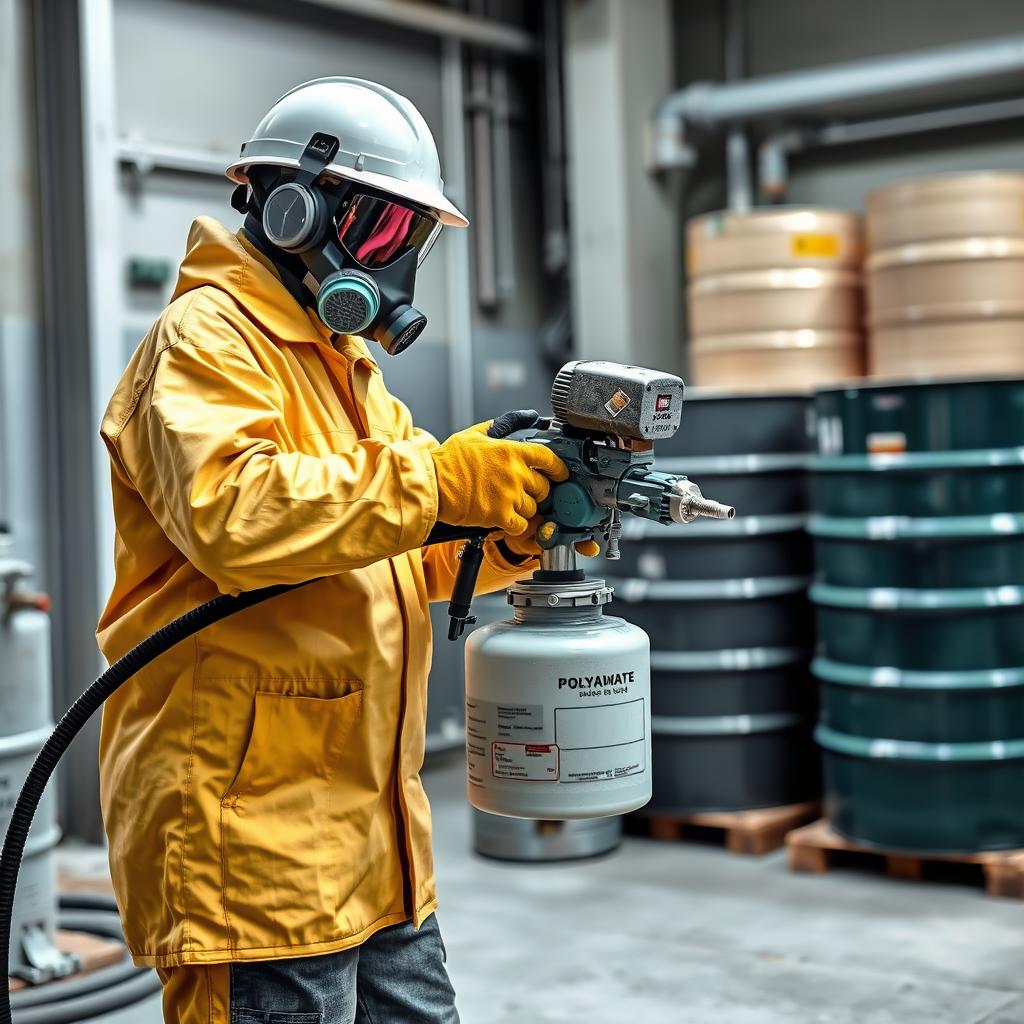
What it covers
- Third-party bodily injury from isocyanate or VOC exposure
- Property damage from chemical release or fume contamination
- Cleanup costs after a chemical release or spill
- Defense costs and legal fees for pollution claims
- On-site and off-site pollution claims arising from coating operations
- Claims from building occupants, neighboring properties, and workers
Who it's for
- Any polyurea or polyurethane coating contractor whose GL contains a pollution exclusion
- Contractors applying coatings in enclosed or semi-enclosed spaces
- Operations where crew or building occupants may be exposed to isocyanate fumes
- Contractors working near sensitive environments or water sources
Why CCA
- CPL written specifically for coating applicators — not a generic environmental form
- Coordinates with GL so there's no gap between the two policies
- E&S market access for contractors with prior chemical exposure claims
Common questions about contractor pollution liability
Isocyanates — the hardener component in polyurea and polyurethane coatings — are classified as irritants and sensitizers. Most GL pollution exclusions define 'pollutant' broadly enough to include isocyanate vapors, overspray, and waste material. Once a claim involves isocyanate exposure, the GL pollution exclusion typically applies.
Both. Contractor Pollution Liability is typically a claims-made or occurrence-based policy that covers pollution events that happen during the policy period — including both mid-application incidents and post-application exposure events.
This is a classic CPL claim. Without CPL, the GL pollution exclusion removes coverage for fume and chemical exposure claims. CPL covers the bodily injury claim, defense costs, and any settlement — which is why it's essential for polyurea contractors working in occupied or semi-occupied structures.
Yes. Cleanup and remediation costs from a chemical release or spill are covered under CPL — not GL, which typically excludes pollution cleanup. This matters if a proportioner hose fails and coating material contaminates a surface or substrate.
Outdoor work reduces fume exposure risk but doesn't eliminate the pollution exposure. VOC release, overspray drift affecting neighboring properties, and chemical spills are all outdoor pollution events. CPL is still strongly recommended for any polyurea applicator.
Cost is driven by coating types, annual revenue, spray equipment values, crew size and payroll, job types, and loss history. We quote your actual operation in about 15 minutes — never a ballpark from a generic contractor form.
Yes. Contractors Choice Agency is licensed in all 50 states and writes polyurea programs for coating contractors nationwide — Texas, Southeast, Midwest, Northeast, California, Mountain States, and everywhere in between.
Typically 15 minutes on a call. Larger or more complex programs may take a day or two to place with the right markets, but we move fast and set expectations up front.
Often yes. We have admitted and E&S markets for contractors declined over chemical application, prior loss runs, OSHA citations, or environmental exposure. Bring us your situation and we'll find a market.
Usually yes. A coordinated program closes gaps between policies and is typically cheaper than separate policies from separate carriers — and far easier to manage at claim time.
A.M. Best ratings reflect a carrier's financial strength and ability to pay claims. We place coverage with A-rated carriers so the coverage is there when a chemical exposure claim, an equipment loss, or a pollution incident hits.
Yes. SPF roofing, spray polyurethane foam insulation, and elastomeric coating contractors face nearly identical risks to polyurea applicators — isocyanate exposure, chemical exclusions, and spray equipment values. We cover the full spectrum.
Spray proportioners, heated hose systems, and spray guns are scheduled at their real replacement cost — not a depreciated cap. Proper individual scheduling is what ensures an equipment loss claim pays what the rig was actually worth.
Coating types, annual revenue, spray equipment list and values, crew size and payroll, job types (industrial, commercial, residential), current coverage, and loss history. The more detail, the more accurate the quote.
It can, with the right endorsements. Standard GL often excludes chemical application or products damage. We structure GL so overspray property damage is covered — not denied on a technicality.
Subcontractors have different exposure — you may need to be named on a GC's policy and carry your own GL and pollution liability. We structure programs for both prime contractors and subs, including additional insured endorsements for project owners and GCs.
Completed-operations and applicator liability cover claims that arise after a job is done — delamination, adhesion failure, early degradation. These are specifically designed for the long-tail risk in coating contracting.
Yes. If your operation spans multiple locations or you run concurrent projects in different states, we build one coordinated program covering all locations and mobile operations with no gaps.
Yes. Contractors who supply, mix, and apply their own coating materials carry product liability in addition to applicator liability. We build programs that cover both the manufacturing/supply and the application exposure.
Pair it with related coverage
Ready to protect your polyurea operation?
Get a 15-minute quote from specialists who understand coating contractors — isocyanate exposure, spray rig values, and pollution liability that standard policies exclude.