Workers' Compensation for polyurea contractors
Coverage for the real injury patterns in polyurea coating work — isocyanate sensitization, respiratory exposure, slip and fall on coated surfaces, spray equipment injuries, and heat stress. Proper class codes for coating applicator crews and labor.
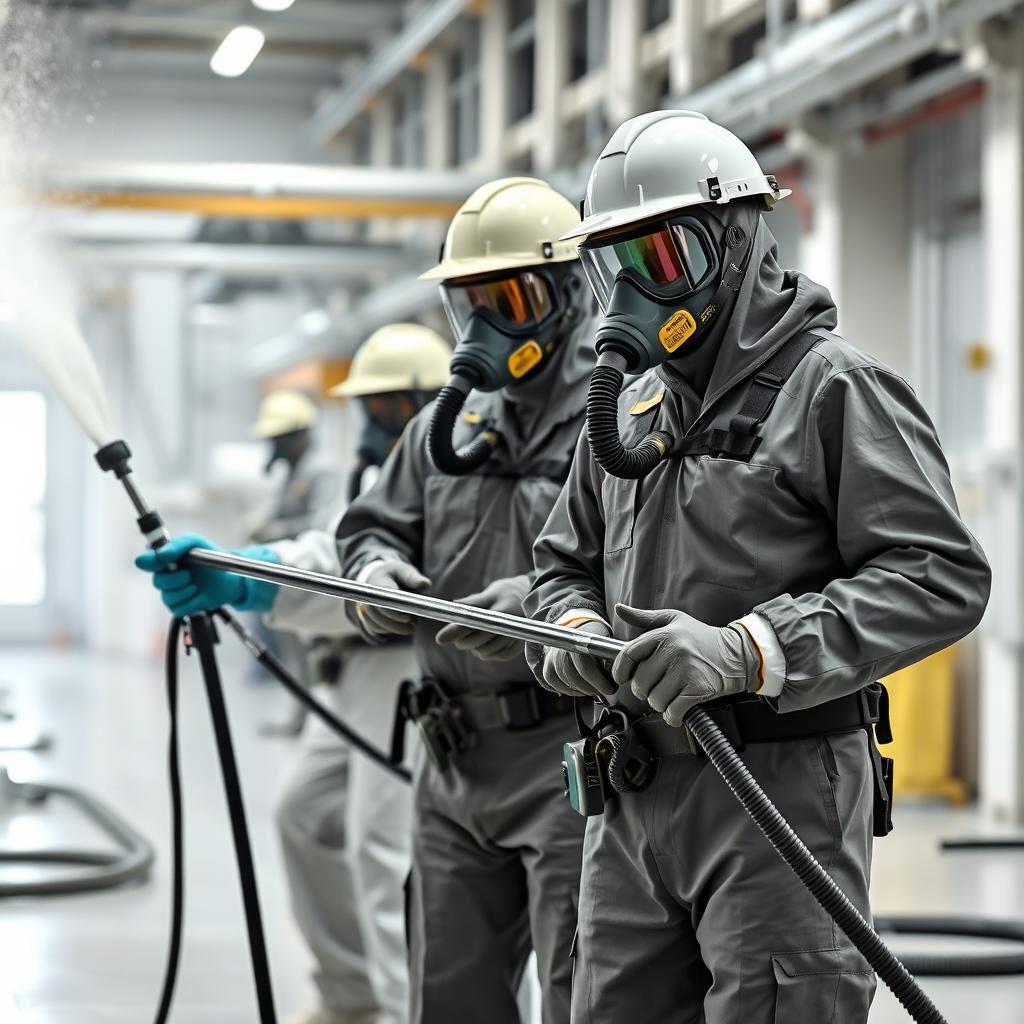
What it covers
- Medical treatment for on-the-job injuries and occupational illness
- Disability and lost-wage benefits for injured workers
- Isocyanate sensitization and respiratory exposure claims
- Slip and fall on freshly coated or slippery surfaces
- Spray equipment handling injuries and chemical burns
- Employers' liability (Part Two) protection
Who it's for
- Polyurea operations with W-2 employees (required in most states)
- Spray applicators and coating crews
- Helper and support labor on coating job sites
- Operations whose workers are misclassified under generic contractor codes
Why CCA
- Class codes structured for actual coating job categories
- High-hazard chemical exposure reflected in the rating — not generic contractor codes
- Fast claim handling so injured workers get care without dispute
Common questions about workers' compensation
In most states, yes — once you have employees, workers' comp is mandatory. Coating work is high-hazard (chemical exposure, equipment, heights), making proper coverage essential for both your crew and your protection against employers' liability claims.
Coating applicators typically fall under codes for painting contractors, specialty coating applicators, or hazardous-substance workers depending on state. Correct classification matters — wrong codes mean overpayment, undercoverage, and audit surprises.
Yes — isocyanate sensitization and occupational asthma from chemical exposure are compensable occupational disease claims under workers' comp. Proper class coding and medical history documentation are important for these claims.
Isocyanate sensitization is an occupational disease that can permanently limit a worker's ability to work with polyurea. Workers' comp disability benefits cover lost wages during treatment and recovery — and potentially ongoing if the sensitization is permanent.
Potentially yes, depending on your state's employment classification rules. Many states treat working subcontractors as employees for workers' comp purposes. We structure your policy to address the actual labor model you use — and help you understand your exposure.
Cost is driven by coating types, annual revenue, spray equipment values, crew size and payroll, job types, and loss history. We quote your actual operation in about 15 minutes — never a ballpark from a generic contractor form.
Yes. Contractors Choice Agency is licensed in all 50 states and writes polyurea programs for coating contractors nationwide — Texas, Southeast, Midwest, Northeast, California, Mountain States, and everywhere in between.
Typically 15 minutes on a call. Larger or more complex programs may take a day or two to place with the right markets, but we move fast and set expectations up front.
Often yes. We have admitted and E&S markets for contractors declined over chemical application, prior loss runs, OSHA citations, or environmental exposure. Bring us your situation and we'll find a market.
Usually yes. A coordinated program closes gaps between policies and is typically cheaper than separate policies from separate carriers — and far easier to manage at claim time.
A.M. Best ratings reflect a carrier's financial strength and ability to pay claims. We place coverage with A-rated carriers so the coverage is there when a chemical exposure claim, an equipment loss, or a pollution incident hits.
Yes. SPF roofing, spray polyurethane foam insulation, and elastomeric coating contractors face nearly identical risks to polyurea applicators — isocyanate exposure, chemical exclusions, and spray equipment values. We cover the full spectrum.
Spray proportioners, heated hose systems, and spray guns are scheduled at their real replacement cost — not a depreciated cap. Proper individual scheduling is what ensures an equipment loss claim pays what the rig was actually worth.
Coating types, annual revenue, spray equipment list and values, crew size and payroll, job types (industrial, commercial, residential), current coverage, and loss history. The more detail, the more accurate the quote.
It can, with the right endorsements. Standard GL often excludes chemical application or products damage. We structure GL so overspray property damage is covered — not denied on a technicality.
Subcontractors have different exposure — you may need to be named on a GC's policy and carry your own GL and pollution liability. We structure programs for both prime contractors and subs, including additional insured endorsements for project owners and GCs.
Completed-operations and applicator liability cover claims that arise after a job is done — delamination, adhesion failure, early degradation. These are specifically designed for the long-tail risk in coating contracting.
Yes. If your operation spans multiple locations or you run concurrent projects in different states, we build one coordinated program covering all locations and mobile operations with no gaps.
Yes. Contractors who supply, mix, and apply their own coating materials carry product liability in addition to applicator liability. We build programs that cover both the manufacturing/supply and the application exposure.
Pair it with related coverage
Ready to protect your polyurea operation?
Get a 15-minute quote from specialists who understand coating contractors — isocyanate exposure, spray rig values, and pollution liability that standard policies exclude.