What Applicator Liability Covers for Polyurea Contractors
By Josh Cotner
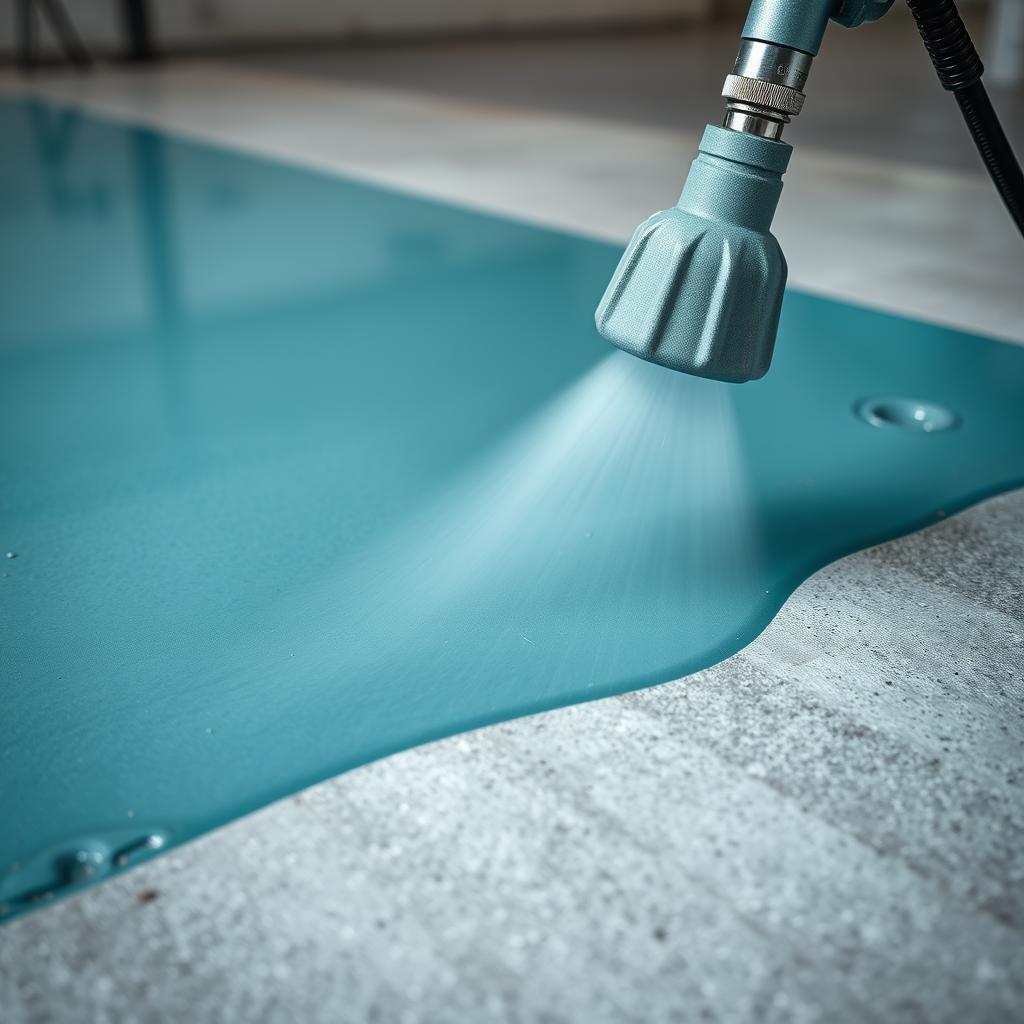
One of the most misunderstood risks in polyurea contracting is the long tail of completed-operations liability. You finish a containment coating, a waterproof deck, or an industrial floor system. You hand it over. Months later, the client calls to say the coating is delaminating, the waterproofing has failed, or the surface isn't performing as expected.
What happens next depends heavily on whether your insurance program includes applicator liability coverage — and most standard contractor programs don't.
What Is Applicator Liability?
Applicator liability (sometimes called applicator's professional liability or coating contractor E&O) covers claims arising from the performance of the coating product or system after installation. It's designed for the specific risk profile of specialty coating applicators: the possibility that a coating you applied, a surface preparation you performed, or a mixing ratio you dialed in produces an unsatisfactory result that a client holds you responsible for.
Unlike general liability — which covers accidental, sudden events during operations — applicator liability covers the performance and workmanship dimension of your work. These claims typically arrive after the job is complete, when the GL completed-operations exclusion has kicked in.
The GL Completed-Operations Gap
Here's the fundamental problem: standard GL policies cover your ongoing operations and, in most cases, some completed-operations coverage — meaning claims that arise from work you already finished.
But GL completed-operations coverage comes with important exclusions. The most relevant for coating contractors is the "your work" exclusion — which removes coverage for damage to the work you performed itself. If your coating fails and the failure damages the coating, GL won't cover the cost of removing and replacing it. The "your work" is excluded.
What GL completed-operations does cover is damage to other property that results from your work failure. If a waterproofing system you applied fails and allows water into a building that damages a client's equipment or contents, the equipment and contents damage might be covered — but the waterproofing system itself is excluded.
This leaves a significant gap for coating contractors. Most coating performance claims involve the coating itself, not consequential third-party property damage.
When Applicator Liability Claims Arise
The most common scenarios that trigger applicator liability claims for polyurea contractors include:
Delamination. A coating loses adhesion to the substrate and begins to separate — sometimes in sheets, sometimes in bubbles. Causes include improper surface preparation, inadequate substrate moisture management, or application outside the specified temperature and humidity window. The client holds the applicator responsible.
Adhesion failure. The coating bonds initially but fails under mechanical stress, thermal cycling, or chemical exposure. In containment and floor coating applications, adhesion failure can be catastrophic — particularly if the contained substance escapes through the failed coating.
Color inconsistency and appearance. In architectural and decorative applications, color variation, texture inconsistency, or sheen mismatch leads to client rejection of the finished surface. Whether or not the coating is technically performing to spec, the client may demand removal and reapplication.
Early degradation. UV exposure, chemical contact, or thermal cycling causes a coating to break down faster than specified — chalking, cracking, or color fading before the warranty period ends.
System performance failure. In roofing, waterproofing, and containment applications, failure of the entire coating system — not just the appearance — creates liability for the full cost of system replacement and any consequential damage.
What Applicator Liability Covers
A properly structured applicator liability policy covers:
- Legal defense costs when a client alleges coating failure, regardless of whether the claim is ultimately valid
- Settlements and judgments if the coating failure is found to be your responsibility
- Removal and replacement costs for the failed coating system itself (which GL typically excludes)
- Consequential property damage claims arising from coating system failure
- Professional fee defense if the claim also involves allegations of professional error in system specification or technical consultation
The policy is typically written on a claims-made basis, which means the claim must be reported during the policy period. Maintaining continuous coverage and selecting an appropriate retroactive date are important for applicator liability — coating performance claims can surface years after application.
Coordinating with GL and CPL
Applicator liability works alongside GL and contractor pollution liability to provide comprehensive coverage for a polyurea contractor's full liability exposure:
- GL covers on-site accidents, third-party bodily injury, and property damage during operations
- CPL covers chemical exposure and pollution claims that GL excludes
- Applicator liability covers coating performance and workmanship claims after project delivery
Together, the three policies address the distinct claim types a coating contractor faces — operational, chemical, and performance-related. Each has limitations; together they provide substantially complete coverage.
Warranties and Applicator Liability
Some coating manufacturers offer system warranties that require applicators to be trained and certified. If you warrant your own work — either independently or as part of a manufacturer-backed warranty program — applicator liability coordinates with that warranty commitment.
A warranty creates a contract obligation; applicator liability covers the insurance exposure when a warranty claim becomes a lawsuit or third-party property damage claim. The two work together, not in opposition.
Is Applicator Liability Worth the Cost?
For coating contractors performing commercial, industrial, or roofing applications with significant project values, applicator liability is almost always worth the cost. A single coating failure claim on a $500,000 containment project or a $200,000 roofing system can exceed what a contractor earns in a good year.
For smaller residential applicators, the risk profile is lower — but even residential coating failures can produce claims that exceed a standard GL policy's coverage for "your work."
The right answer depends on your project mix, average contract values, and the performance demands of the coating systems you apply. We're happy to discuss your specific exposure and help you decide whether applicator liability belongs in your program.
Call Contractors Choice Agency at 844-967-5247 or request a quote online.
Need this coverage for your polyurea coating business?
Get a real quote in about 15 minutes — we shop A-rated specialty contractor markets.